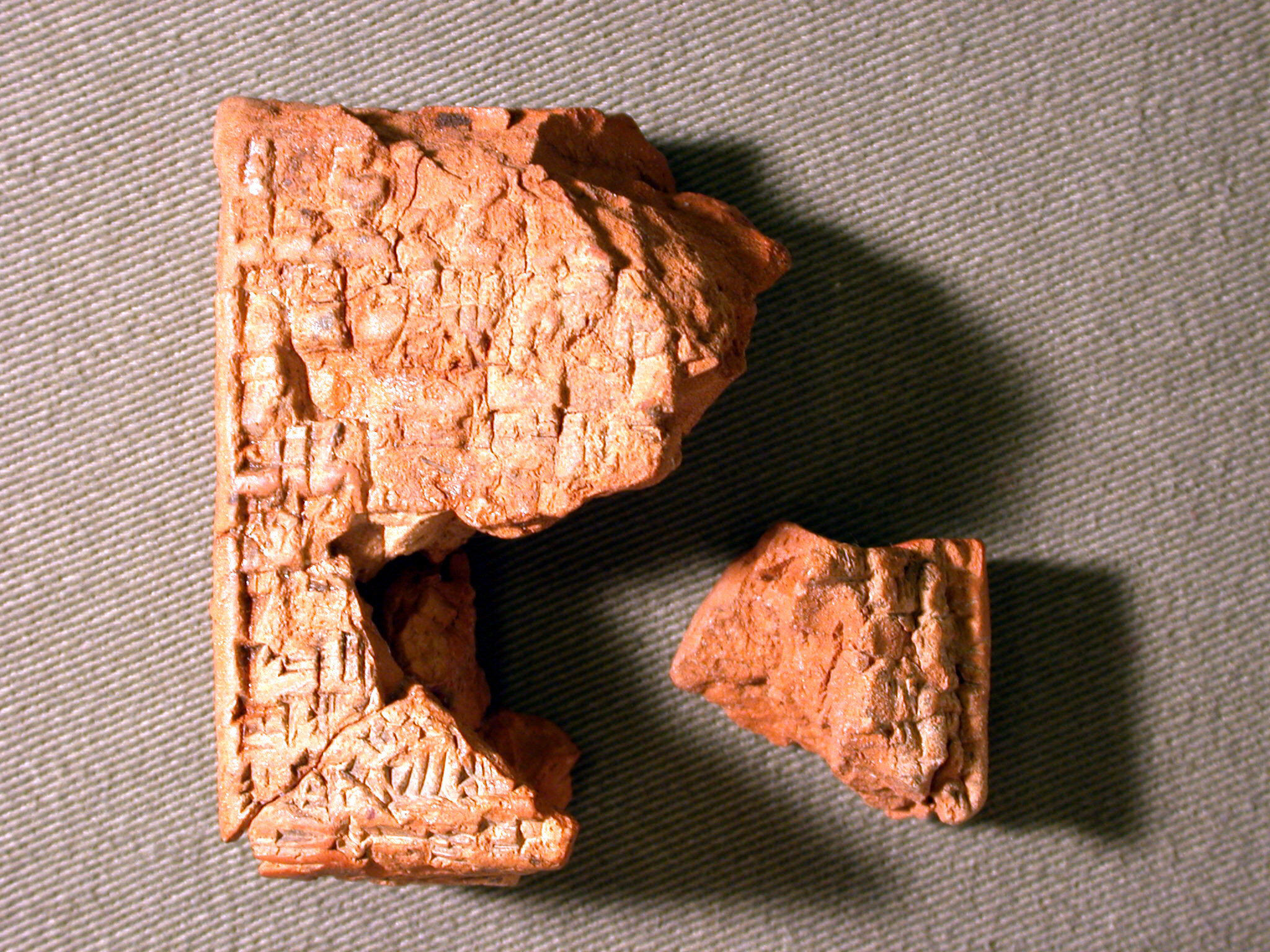
Cuneiform tablet: record of a judicial decision
📖 The Story
VERIFIED HISTORY
This small clay tablet comes from the Neo-Babylonian period, around 555–539 BCE, and was probably found in Babylon in Mesopotamia. The Metropolitan Museum of Art identifies it as a record of a judicial decision.
Written in cuneiform, the tablet belongs to a world in which legal decisions, agreements, debts, property matters, and administrative actions could be preserved on clay. Its survival gives us a direct material connection to the legal and civic life of ancient Babylon.
The object is made of clay and is now held by The Metropolitan Museum of Art, which acquired it in 1886.
📜 Provenance & Evidence
Origin
Babylonian — Artifact
Region
Mesopotamia
Period
ca. 555–539 BCE
Material
Clay
Artist / Maker
Unknown
Dimensions
2 7/16 × 1 3/4 × 1 in. (6.2 × 4.5 × 2.5 cm)
1 × 13/16 × 13/16 in. (2.5 × 2.1 × 2.1 cm)
Department
Ancient West Asian Art
Credit Line
Purchase, 1886
Rights
Public Domain
Source
Metropolitan Museum of Art, Object ID 321868
Official Museum Record
Evidence Status
VERIFIED