GREAT PYRAMID OF GIZA · OVERVIEW
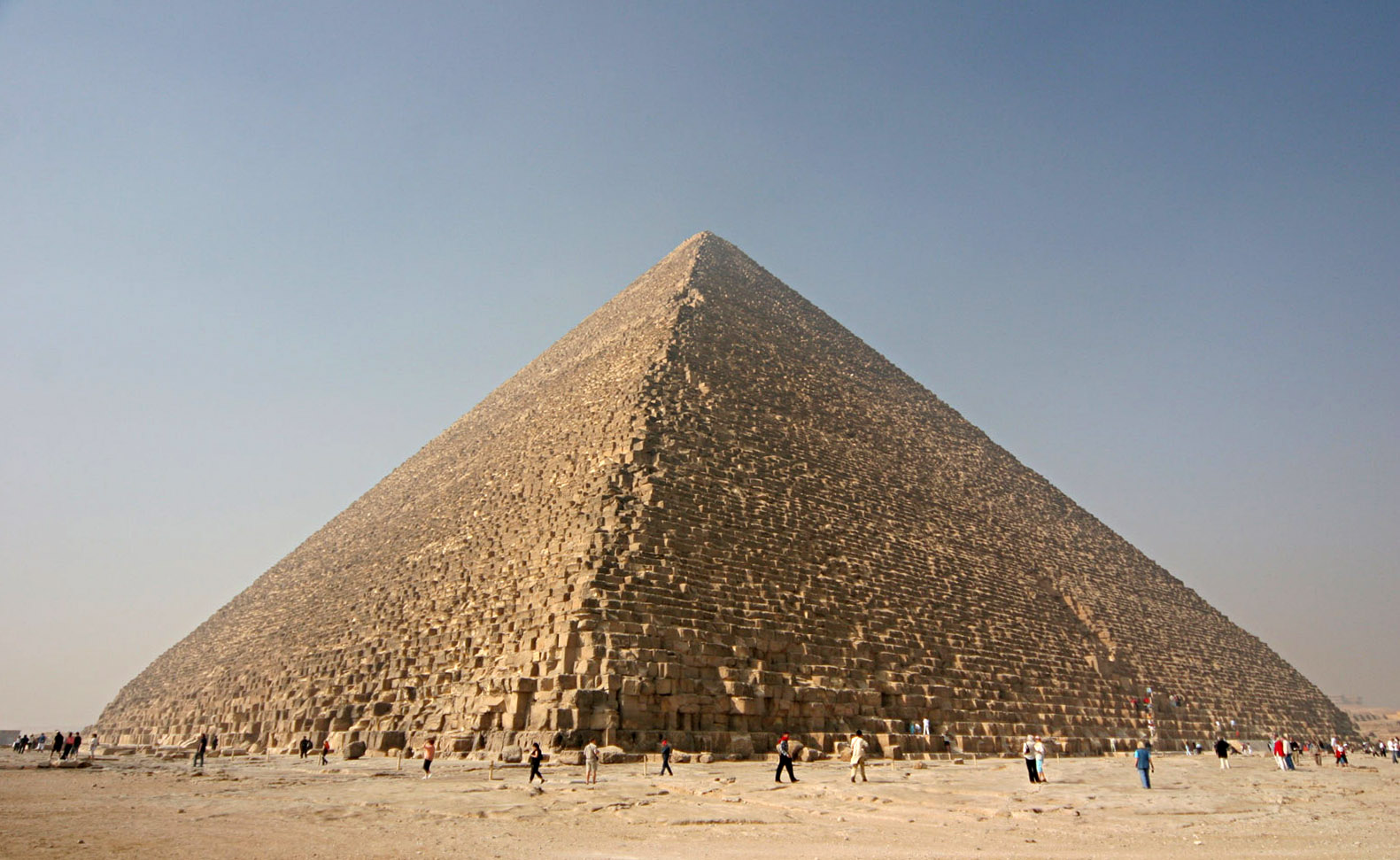
The Great Pyramid of Giza is the largest of the Egyptian pyramids and the most famous landmark of the Giza pyramid complex in Giza, Egypt. It is the oldest of the Seven Wonders of the Ancient World, and the only wonder that has remained largely intact. The Great Pyramid served as the tomb of Egyptian Pharaoh Khufu ("Cheops"), who ruled during the Fourth Dynasty of the Old Kingdom. It was built c. 2600 BC over a period of about 26 years.
LOCATION ·
29.97917, 31.13417
World Heritage Record
Inscribed on the UNESCO World Heritage List in 1979. World Heritage criteria: (i)(iii)(vi). Official property area: 16,358.52 ha.
SOURCE · UNESCO World Heritage Centre
Outstanding Universal Value
Memphis is located in the center of the floodplain of the western side of the Nile. Its fame comes from its being the first Capital of Ancient Egypt. The unrivaled geographic location of Memphis, both commanding the entrance to the Delta while being at the confluence of important trade routes, means that there was no possible alternative capital for any ruler with serious ambition to govern both Upper and Lower Egypt.
SOURCE · UNESCO World Heritage Centre
Integrity & Condition
The Necropolis of Memphis contains within its boundaries all key attributes that convey the property’s Outstanding Universal Value. The perfection of ancient building techniques has ensured the structural resistance of the main monuments to natural forces through time. They still display their beauty and convey their inestimable artistic and historic value, preserving all the main features that directly and tangibly associate them with the events, religious ideas and the development of methods of burial through different periods .
SOURCE · UNESCO World Heritage Centre
Authenticity
The form and material of the main monuments of the property from pyramids, tombs and settlements characterize it as one of the most authentic among the known monuments of the ancient world. The property preserves almost 80% of its ancient form and material.
SOURCE · UNESCO World Heritage Centre
Protection & Management
A comprehensive system of statutory control operates under the provisions of the Protection of Antiquities Law No. 117 of 1983 as amended by the Law No. 3 of 2010, for the protection of monuments.
SOURCE · UNESCO World Heritage Centre